
How Proper Ductwork Setup Helps Your Home Use Less Energy
Air duct installation plays a big part in how much energy your home uses. When ducts are designed well and sealed tight, your heating and cooling system does not have to work as hard. That means less wasted air, lower utility bills, and more comfort in every room. Poor ductwork can leak air into attics or crawl spaces, which drives up costs. Good design and proper setup help keep treated air where it belongs.
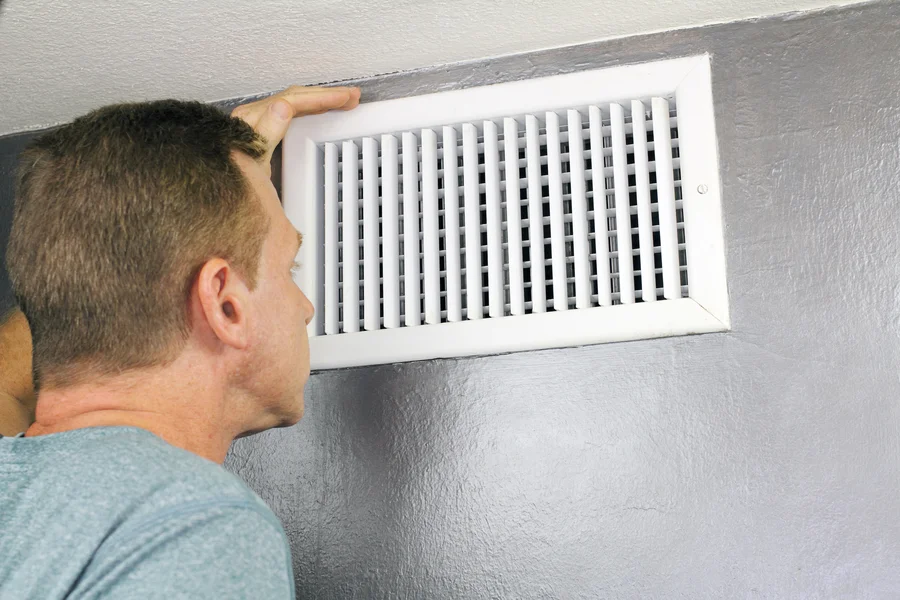
Quick Diagnosis: Why Energy Waste Happens
If your energy bills keep rising but your system seems fine, your ductwork may be the problem. Many homes lose a large amount of heated or cooled air before it ever reaches the rooms. This often happens because of gaps, poor layout, or aging materials. Even a strong HVAC system cannot make up for bad ducts.
Common Signs of Duct-Related Energy Loss
Energy waste from faulty ductwork usually shows clear warning signs. Watch for these issues:

- Rooms that feel too hot or too cold
- Weak airflow from vents
- High monthly energy bills
- Dust buildup around vents
- Noisy rattling or whistling sounds
If you notice one or more of these signs, your air ducts may be leaking or poorly placed.
Likely Causes Behind the Problem
Several things can lead to energy waste in a duct system. One common cause is leaky joints. Over time, sealant can dry out or tape can loosen. Another issue is poor layout. If ducts are too long or take sharp turns, airflow drops. In some homes, ducts are too small for the size of the system. That forces the unit to run longer than needed.
Older homes may not have enough insulation around the ductwork. When ducts run through unheated spaces, like an attic, the air inside can lose its temperature before reaching the vents. That means your system has to run again to make up for the loss.
What to Check First
You can spot some problems without special tools. Start with a simple walk-through:
- Check visible ducts for loose connections.
- Feel for air leaks near joints while the system runs.
- Look for crushed or bent duct sections.
- Inspect insulation around exposed ducts.
- Listen for strange sounds during operation.
While these steps can reveal surface problems, deeper issues often require a full inspection.
Safe Fixes Vs. Professional-Level Fixes
Small gaps at joints can sometimes be sealed with proper HVAC foil tape. Replacing a basic vent cover is also a simple task. But full air duct installation or redesign should be handled by trained technicians. Sizing, airflow balance, and system pressure must all match correctly.
Professional setup includes:
- Correct duct sizing for your home
- Secure and sealed connections
- Proper return and supply balance
- Insulated ductwork in unconditioned spaces
- System testing after installation
Cutting corners with ductwork often leads to years of higher energy use.
How Proper Installation Reduces Energy Waste
Good air duct installation allows air to move freely and evenly. When air reaches each room without leaking, your system cycles off sooner. That saves electricity or gas. Balanced ducts also prevent hot and cold spots, which stops family members from constantly adjusting the thermostat.
Proper airflow also supports your heating and cooling equipment. When airflow is right, parts last longer and repairs are less frequent. Over time, efficient ductwork protects both your comfort and your budget.
Prevention Tips for Long-Term Savings
After installation, basic care helps maintain performance:
- Schedule routine HVAC inspections
- Replace air filters regularly
- Keep vents open and unblocked
- Have ducts checked every few years
- Seal any new gaps right away
These steps help prevent energy loss from creeping back in.
Call for Expert Help in Columbia, MD
If you live in Columbia, MD and suspect your ductwork is wasting energy, professional guidance can make a big difference. At Dapper Ducts Inc. - Columbia, we inspect, repair, and handle full air duct installation for homes that need better airflow and lower energy bills. Our team focuses on sealed connections, correct sizing, and long-term efficiency. Call us today at (410) 220-0980 to schedule a visit and let us help you reduce energy waste the right way.