
What Materials Work Best for a Safe and Efficient Vent System
The best materials for a dryer vent are rigid metal ducts made of aluminum or galvanized steel. These materials move air well, resist heat, and lower the risk of fire. Flexible plastic or thin foil vents may cost less, but they clog easily and can trap lint. If you want a safe and long-lasting dryer vent installation, metal is almost always the right choice.
Quick Decision Answer
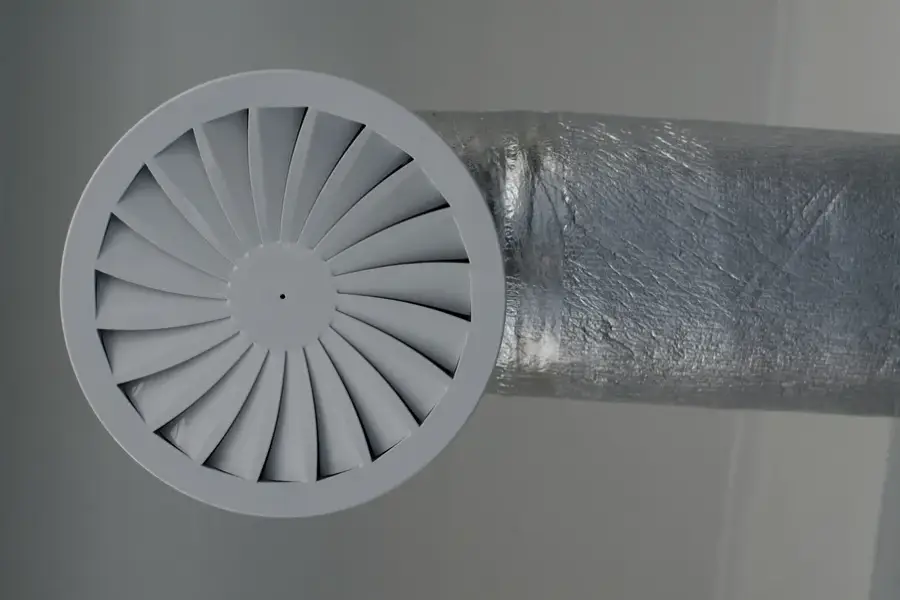
If you are deciding between vent materials, choose rigid or semi-rigid metal ducting in most cases. It allows smooth airflow and holds up to high heat. Plastic and vinyl vents are not safe for modern dryers and are often against building codes. When safety and performance matter, metal wins.
Rigid Metal Vs. Flexible Duct Options
There are three common types of dryer vent materials used in homes:
- Rigid metal duct (aluminum or galvanized steel)
- Semi-rigid metal duct
- Flexible foil or plastic duct
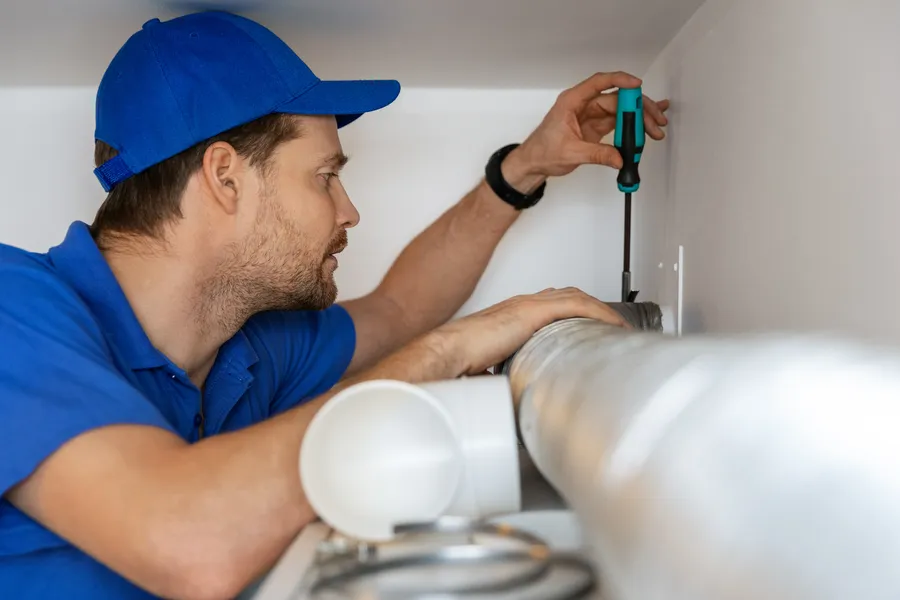
Rigid metal ducts are solid and smooth inside. Air flows through quickly, and lint is less likely to build up. These are great for longer vent runs or systems with bends.
Semi-rigid metal ducts are flexible but still made of aluminum. They work well in tight laundry spaces. They are safer than plastic but should not be crushed or bent sharply.
Flexible foil or plastic ducts are easy to install, but they sag over time. Lint collects in the ridges. This slows airflow and raises fire risk. Many local codes no longer allow plastic vents for dryer vent installation.
Pros and Cons of Each Material
Here is a simple breakdown to help you compare:
- Rigid metal duct
Pros: Best airflow, fire-resistant, long-lasting, code-approved
Cons: Harder to install in tight spaces - Semi-rigid metal duct
Pros: Good airflow, safer than plastic, easier to fit
Cons: Can kink if bent too much - Flexible plastic or foil
Pros: Cheap, easy to connect
Cons: Traps lint, melts under high heat, may not meet code
For most homes, rigid metal offers the best balance of safety and performance.
Best Fit by Home Layout
The right material also depends on your home’s layout.
If your dryer sits close to an outside wall, you may only need a short vent run. A semi-rigid metal duct can work well here.
If the vent must travel through an attic, crawlspace, or several walls, rigid metal is the smart option. Long runs need strong airflow. Smooth metal walls reduce lint buildup and help your dryer run better.
If your laundry room is very tight, you might use a short semi-rigid connector from the dryer to a rigid metal line in the wall.
Every dryer vent installation should focus on keeping the path as short and straight as possible. Fewer turns mean better airflow.
Mistakes People Make When Choosing Materials
Many homeowners pick vent materials based only on price. This can lead to problems later.
Common mistakes include:
- Using plastic or vinyl hose because it is cheap
- Running long flexible foil ducts through attics
- Using too many sharp bends
- Crushing the vent hose behind the dryer
These choices can cause slow drying times, higher energy bills, and lint buildup. In worst cases, trapped lint can lead to a house fire.
Another mistake is mixing different materials without sealing joints correctly. Every connection should be secured with proper clamps or metal tape, not screws that stick into the airflow path. Screws catch lint and create blockages.
Final Decision Checklist
Before finishing your vent setup, ask yourself:
- Is the duct made of rigid or semi-rigid metal?
- Is the vent path short and mostly straight?
- Are all joints sealed with metal tape?
- Does the outside vent hood open freely?
- Does the setup meet local building code?
If you answer yes to these questions, your dryer vent installation is likely safe and efficient. If not, it may be time to make changes.
Professional Help for Safe and Reliable Results
Choosing the right materials is only part of the job. Proper routing, sealing, and support matter just as much. A poorly installed vent can waste energy and create safety risks over time.
If you are in Columbia, MD and want expert help with your vent system, our team at Dapper Ducts Inc. - Columbia is ready to assist. We handle dryer vent installation the right way, using code-approved materials built to last. Call us at (410) 220-0980 to schedule service or ask questions about upgrading your current setup. We are here to help keep your home safe and running smoothly.